


GET YOUR LIFESTYLE BACK!
Providing Superior Health Through Chiropractic Services Producing Outstanding Results For Our Patients
Stop Suffering Needlessly
Dr. Isaac Lichy is a leading chiropractor on Manhattan's Upper East Side, providing advanced chiropractic care to local patients since 2005. From routine chiropractic adjustments aimed at achieving better overall health to more complex care for injuries and other medical issues, Dr. Lichy is experienced in determining the most effective treatment options for patients based on their individual care needs and concerns.
As a top provider of chiropractic care, Dr. Lichy is committed to offering the most comprehensive array of treatment options using state-of-the-art technology and techniques for optimal results. Skilled in advanced approaches including decompression therapy, Dr. Lichy helps patients suffering from herniated discs, sciatica, and neck and arm pain find relief without the need for invasive surgery.
Dr. Lichy graduated from the University of Bridgeport in Connecticut and is certified by the National Board of Chiropractic Examiners (NBCE). His office accepts all major insurance providers, and he speaks English, French, Spanish and Hebrew.
We look forward to seeing you. To speed up your initial visit, please complete our electronic new patient intake form before your visit.
Thank You.



Dr. Isaac Lichy, has been selected as the Winner for the 2022
New York Awards in the category of Local Business.
Same Day Pain Relief
Shoulder and Neck Pain
We offer one of the newest and most cutting-edge therapies for chronic shoulder and neck pain.
Back Pain
This therapy has significant potential for those in pain, and could actually repair structural problems while treating pain and inflammation simultaneously.
Wrist, Hand & Elbow Pain
Amniotic restorative therapy is one of the most innovative therapies for chronic joint pain.

Hip Pain
When running and walking become painful, restorative therapy can be the option for relief.
Knee Pain
This therapy has the potential to actually alter the course of the condition and not simply mask the pain.
Foot and Ankle Pain
This therapy stimulates the body to repair the foot ligaments. It does so by inducing a mild inflammatory reaction in the weakened ligaments and cartilage.
Stop Suffering Needlessly
Our Services

Spinal Decompression

Improve Your Golf Game and TenNis Swing

PREGNANCY CARE


Headaches/Migraines
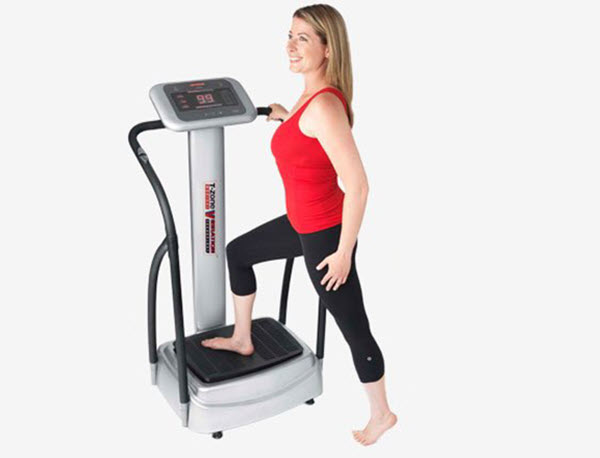
T-Zone Whole Body Vibration

SCIATICA
Major Insurance Plans Considered
Dr. Lichy accepts most major insurance plans. For questions regarding insurance and your visit to NYC Back Chiropractic, please call the office.
If you do not have insurance, financing options are available.
You don't have to suffer needlessly.

CareCredit® is an easy way to pay for healthcare expenses and daily medical needs based on your credit worthiness. Get approved in minutes for CareCredit® Use your virtual card immediately to cover your visit today.




LOCATION
Isaac Lichy, DC
NYC Back Chiropractic